Estimated Reading Time: 8 minutes
Creating exceptional digital products requires more than talented designers or skilled developers. It requires effective collaboration between both disciplines. When designers and developers work in harmony, products are delivered faster, implementation matches the original vision, and users benefit from a polished, consistent experience.
Unfortunately, the transition from design to development is often where projects encounter delays, misunderstandings, and unnecessary rework. Missing specifications, inconsistent components, unclear requirements, and communication gaps can all impact project quality and timelines.
In this guide, we’ll explore the best practices that help create a seamless developer-designer handoff and build stronger collaboration throughout the product development process.
Why the Design Handoff Matters
The handoff is the moment when design concepts become working software. It is not simply the act of sharing design files. It is the process of transferring knowledge, intent, and technical requirements from the design team to the development team.
A successful handoff ensures developers understand not only what the interface should look like, but also how it should behave across different devices, screen sizes, and user interactions.
When this process is well organized, teams reduce development time, minimize revisions, and improve overall product quality.
Collaboration Should Begin Early
One of the biggest mistakes teams make is involving developers only after the design is complete. Instead, developers should participate during planning and design discussions.
Early collaboration helps identify technical constraints before designs are finalized, reducing costly revisions later in the project.
By discussing implementation challenges early, designers can create solutions that are both visually effective and technically practical.
The best handoffs happen because collaboration started long before the first screen was designed.
Build a Shared Design Language
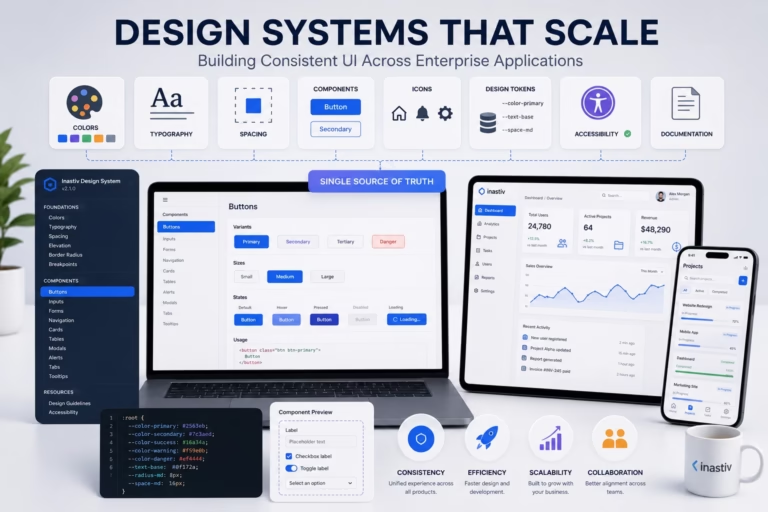
Consistency begins with a common understanding of components, terminology, and user interactions.
Rather than creating unique interface elements for every screen, teams should rely on a shared design system that defines reusable components and interaction patterns.
This shared language enables designers and developers to communicate using the same vocabulary throughout the project.
Examples include:
- Button variants
- Form controls
- Navigation components
- Cards
- Tables
- Alerts
- Modals
- Typography styles
Provide Complete Design Specifications
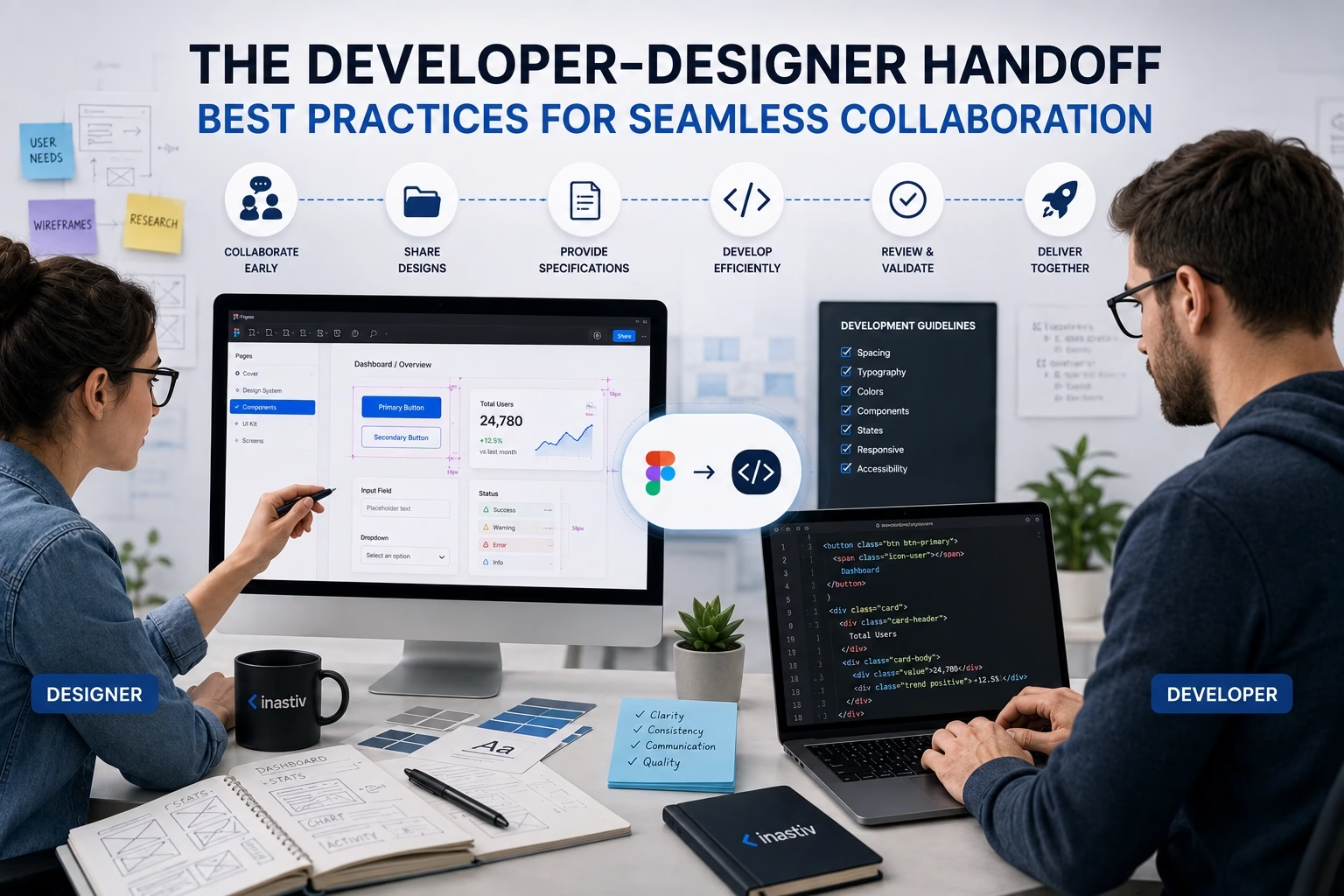
A polished mockup alone is rarely enough for implementation. Developers need detailed specifications that describe spacing, typography, colors, responsive behavior, animations, and component states.
A complete design handoff should include:
- Component dimensions
- Spacing values
- Typography specifications
- Color variables
- Responsive layouts
- Hover, focus, active, and disabled states
- Animation timing
- Interaction behavior
Clear documentation minimizes assumptions and helps developers implement designs accurately.
Think Beyond Static Screens
Interfaces are interactive, not static images.
Designers should communicate how components behave during real user interactions, including loading states, validation messages, empty states, and transitions.
Developers benefit from understanding:
- Loading indicators
- Error messages
- Success confirmations
- Form validation
- Micro-interactions
- Animations
Interactive prototypes help bridge the gap between visual design and functional implementation.
Use Design Systems to Reduce Questions
Well-maintained design systems dramatically simplify the handoff process.
Instead of repeatedly explaining how every button or form field should work, designers can reference standardized components that already include behavior, accessibility requirements, and implementation guidelines.
This consistency allows developers to spend less time interpreting designs and more time building features.
Communication Is More Valuable Than Documentation
Documentation is essential, but conversations are equally important.
Regular design reviews, implementation walkthroughs, and collaborative discussions help teams identify misunderstandings before development progresses too far.
Healthy collaboration includes:
- Design review meetings
- Developer feedback sessions
- Sprint planning
- Implementation reviews
- UI quality checks
Open communication creates shared ownership of the final product.
Developers Should Review Designs Critically
The handoff is not a one-way process.
Developers should actively review designs and ask questions whenever requirements are unclear. Technical insights often reveal opportunities to simplify workflows, improve performance, or enhance accessibility.
Constructive feedback strengthens the final product and encourages collaboration rather than creating silos between teams.
Validate During Development
Waiting until the project is complete to compare implementation against the design often results in unnecessary revisions.
Instead, teams should review completed features throughout development.
Regular validation allows designers to confirm:
- Visual consistency
- Spacing accuracy
- Typography implementation
- Responsive layouts
- Interactive behavior
- Accessibility compliance
Continuous feedback reduces surprises before launch.
Common Handoff Mistakes
Many implementation issues originate from avoidable communication gaps.
Some of the most common mistakes include:
- Sharing incomplete design files.
- Missing responsive layouts.
- Undefined component states.
- Poor version control.
- Inconsistent naming conventions.
- Lack of developer involvement during design.
- Insufficient documentation.
Establishing clear workflows and shared standards significantly reduces these issues.
Final Thoughts
Successful digital products are built through collaboration, not handoffs alone. When designers and developers communicate openly, share a common design language, and work together throughout the project lifecycle, implementation becomes faster, more accurate, and significantly more enjoyable.
The goal is not simply to reproduce a design pixel for pixel. It is to deliver an experience that fulfills both user expectations and business objectives while remaining maintainable for future growth.
By investing in better collaboration practices today, organizations can build stronger teams and better digital products tomorrow.
About Inastiv
At Inastiv, we believe that exceptional software is built through close collaboration between designers, developers, and stakeholders. Our multidisciplinary teams combine strategic planning, user-centered design, modern development practices, and continuous communication to deliver scalable digital solutions that meet business goals while providing outstanding user experiences.